The high-altitude landscape is breathtaking, but acute altitude sickness (AMS) is often the first challenge many travelers encounter. Essentially, it's an acute decompensation of the body's response to low oxygen levels, ranging from mild headaches and fatigue to life-threatening high-altitude pulmonary edema or cerebral edema. Mastering scientific and decisive coping strategies is the safety baseline for high-altitude travel.
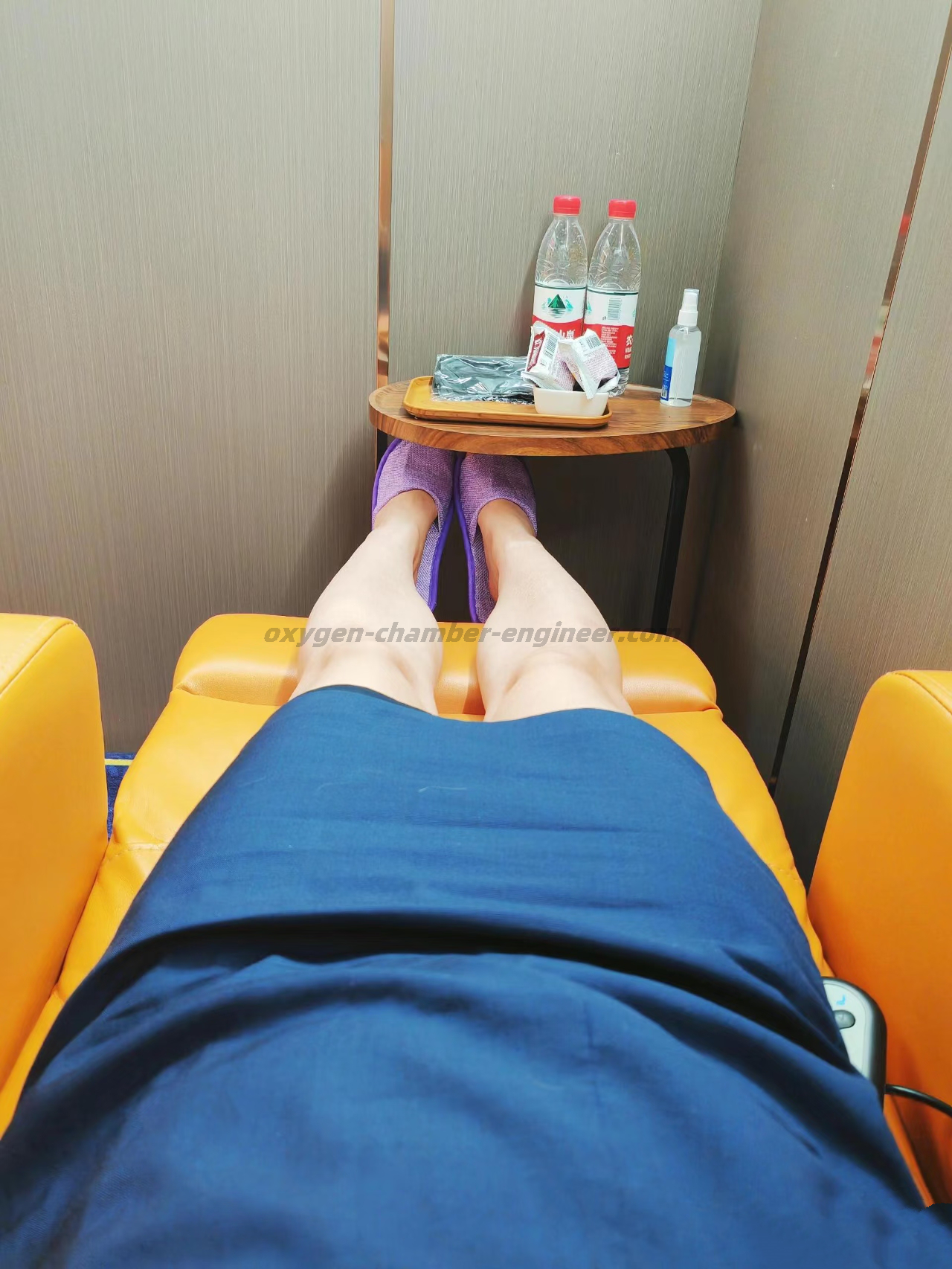
Part One: On-site Treatment – Seizing the “Golden Treatment Period”
Once symptoms appear (headache, nausea, fatigue, dizziness), immediate action is crucial, following these core principles:
1. Immediate Stop, Absolute Rest: This is the primary measure. Have the patient stop all activity and rest in a sitting or semi-recumbent position to reduce oxygen consumption. Stress and activity significantly increase the burden on the heart and exacerbate symptoms.
2. Correct Hypoxia, Scientific Oxygen Inhalation: If possible, administer oxygen immediately to quickly improve blood oxygen saturation and alleviate core symptoms such as dizziness and shortness of breath.
3. Actively Replenish Fluids, Maintain Balance: The dry environment of high altitudes easily leads to dehydration, increasing blood viscosity. Drink small amounts of warm water frequently (200-300 ml per hour is recommended), with a total daily intake of at least 2 liters. Supplement with electrolyte-containing beverages, avoiding alcohol and caffeine.
4. Replenish calories and maintain physical strength: Consume chocolate, cheese, high-concentration glucose solution, etc., to quickly replenish energy, maintain the stability of basic physiological indicators, and prevent further deterioration of the condition.
5. Symptomatic medication to relieve pain:
* Headache: Use common painkillers such as ibuprofen or acetaminophen.
* Nausea and vomiting: Take dehydrating medications such as spironolactone or dexamethasone.
6. The most effective ultimate measure: Decisive descent: This is the most crucial and effective method for treating moderate to severe or any progressive altitude sickness. If symptoms do not improve after rest and oxygen inhalation, or if severe signs such as severe headache, vomiting, unsteady gait (ataxia), confusion, or coughing up pink frothy sputum occur, immediate descent to a lower altitude is necessary. Studies show that symptoms often improve immediately with every 500-1000 meters of descent. Any hesitation could delay the best time for rescue.
Part Two: Follow-up Treatment and Rehabilitation
Once the patient has been evacuated to a safe altitude or transported to a medical facility, the next stage of treatment begins:
1. Comprehensive Medical Assessment: Upon arrival at a medical facility, a detailed examination is required, including blood gas analysis (to accurately assess hypoxia and acid-base balance), chest X-ray (to rule out high-altitude pulmonary edema), and neurological examination, to clarify the diagnosis and severity.
2. Systemic Comprehensive Treatment:
* Oxygen Therapy: Hyperbaric oxygen therapy is the preferred method for treating high-altitude pulmonary edema and cerebral edema. Other options include normobaric saturation oxygen therapy, high-flow nasal cannula oxygen therapy, or hypobaric oxygen chamber therapy. The specific oxygen therapy method used depends on local medical conditions and the patient's condition.
* Targeted Drug Treatment: For the rescue and treatment of high-altitude pulmonary edema and high-altitude cerebral edema, all prescription medications must be used under the guidance of a doctor.
* Life Support and Monitoring: Especially for children and the elderly, close monitoring of respiration, heart rate, blood oxygen saturation, and level of consciousness is essential. Maintaining a clear airway is crucial to prevent the worsening of underlying medical conditions.
3. Rehabilitation and Follow-up Plan: Even after symptoms have completely subsided, 1-2 days of rest are still necessary. A reassessment of physical condition is required, and a doctor's guidance should be provided on whether and how to continue the high-altitude journey. Do not return to high altitudes immediately after a slight improvement in symptoms.
III. Summary:
The core logic for dealing with acute altitude sickness is: rapidly reduce oxygen consumption on-site, correct hypoxia, and decisively descend; subsequent precise assessment and systematic treatment should be provided by a medical professional. Remember, at high altitudes, "descending" is not failure, but the wisest strategy for survival. Respect nature and listen to your body's signals to safely embrace this sacred place.



(Disclaimer: Respect originality, the copyright of images and text belongs to the original author!)
(Manufacturer of hyperbaric oxygen chamber Whatsapp:)