After returning to the plains from high altitudes, most people recover after a few days of drowsiness and fatigue. However, for some, these symptoms of "oxygen intoxication" (medically known as "altitude deacclimatization") can persist for weeks or even months, severely impacting their lives and work. For this persistent oxygen intoxication, regular rest often has little effect, while hyperbaric oxygen therapy (HBOT) can be key to breaking the deadlock. Behind this lies the precise intervention of hyperbaric oxygen therapy on the core pathophysiological aspects of "oxygen intoxication."
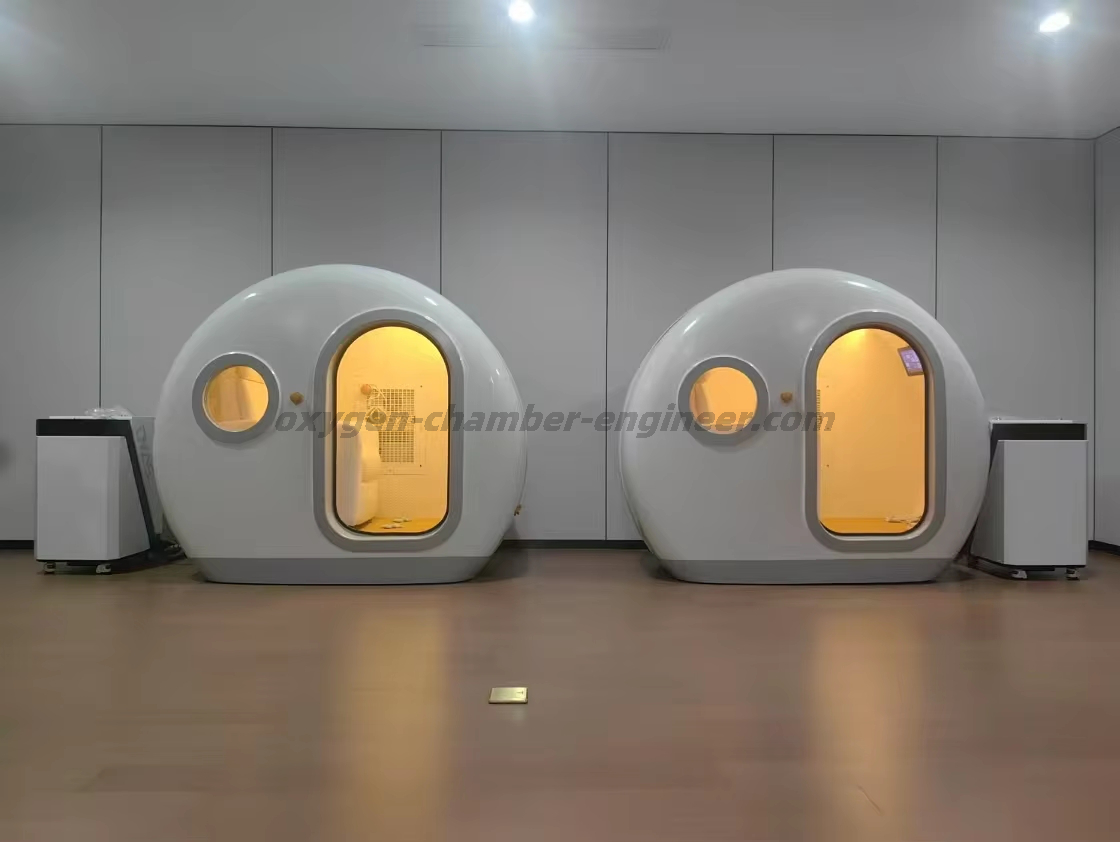
I. Persistent Oxygen Intoxication: More Than Just "Too Much Oxygen"
Long-term or severe oxygen intoxication is essentially a result of "systemic disorder" and "functional dysfunction" during the body's transition from "high-altitude mode" back to "plains mode," far beyond a simple "oxygen excess." The underlying problems may include:
1. Abnormal blood rheology: Long-term high-altitude acclimatization leads to a significant increase in red blood cell count and hemoglobin concentration, as well as increased blood viscosity. Upon returning to the plains, these "excess" blood cells do not immediately decrease, leading to slow blood flow and microcirculatory disturbances. Even though red blood cells carry a large amount of oxygen, the oxygen cannot freely reach the microcirculatory area, resulting in a decrease in the actual oxygen supply efficiency of tissues.
2. Microcirculation and Tissue Hypoxia: Thick blood and potential microthrombi hinder oxygen delivery to the deepest parts of the tissue. Cells are in a state of "functional hypoxia in an oxygen-rich environment."
3. Nervous System Regulatory Imbalance: The central nervous system's regulation of changes in oxygen concentration is delayed or disordered, leading to persistent fatigue, dizziness, poor concentration, and sleep disorders.
II. How Hyperbaric Oxygen Therapy "Breaks the Game": Multi-Target Correction of Pathological States
Hyperbaric oxygen therapy, through the inhalation of pure or high-concentration oxygen in a chamber exceeding one atmosphere of pressure, produces a series of physiological effects that ordinary oxygen therapy cannot achieve, directly addressing the above-mentioned pain points:
1. Powerfully correcting tissue hypoxia and breaking the vicious cycle: Hyperbaric oxygen therapy can increase the physically dissolved oxygen content in the blood by tens of times. These dissolved oxygens can diffuse directly into ischemic and hypoxic tissues caused by microcirculatory disturbances, without relying on hemoglobin, "recharging" cells and rapidly improving core symptoms such as dizziness and fatigue.
2. Significantly improves blood rheology and unblocks microcirculation: This is key to addressing persistent oxygen toxicity. A clinical study of young people who had lived at altitudes above 5000 meters for extended periods and experienced deacclimatization symptoms upon returning to lower altitudes showed that after five sessions of hyperbaric oxygen therapy (once every other day), key blood rheological indicators such as whole blood viscosity, plasma viscosity, and erythrocyte aggregation index were significantly improved. The blood became "thinner" and smoother, fundamentally improving tissue perfusion and oxygen supply.
3. Stabilizes the nervous system and reduces potential edema: Hyperbaric oxygen therapy can reduce intracranial pressure, alleviate cerebral edema, and regulate autonomic nervous system function. This helps relieve headaches and drowsiness caused by oxygen toxicity and promotes the restoration of normal sleep-wake rhythms.
4. Promoting Internal Environment Rebalancing: Hyperbaric oxygen therapy acts as a "reset signal," helping the functional set points of vital organs such as the heart, lungs, and brain to readjust more quickly to the oxygen-rich environment of the plains, accelerating the body's overall "de-adaptation" process.
III. Clinical Practice: Protocols and Evidence
For persistent and unrelieved oxygen saturation symptoms, short-term intensive treatment protocols are often used clinically. If, after returning to the plains, the "oxygen saturation" symptoms still cannot be effectively relieved after 1-2 weeks of self-adjustment, and even affect normal life or work, 5-10 days of hyperbaric oxygen therapy is recommended to effectively accelerate recovery. Studies have also confirmed that a hyperbaric oxygen therapy protocol of 5 sessions every other day after returning to the plains is most effective in improving blood rheology.
If medical hyperbaric oxygen therapy facilities are unavailable, early intervention using normobaric saturation oxygen therapy or a low-pressure oxygen chamber can also be used.
VIII. Summary:
For persistent oxygen saturation, hyperbaric oxygen therapy is not simply "oxygen supplementation," but a powerful "physiological regulator." It works through physical means, simultaneously improving oxygen delivery efficiency, enhancing blood flow, and stabilizing the neuronal environment, helping to restart the "stuck" adaptive mechanisms and thus efficiently and safely leading the body out of the "oxygen intoxication" predicament. If your oxygen intoxication symptoms are severe and persistent, undergoing a course of hyperbaric oxygen therapy after evaluation by a doctor is a scientifically sound option worth considering.

(Disclaimer: Respect originality, the copyright of images and text belongs to the original author!)
(Manufacturer of hyperbaric oxygen chamber Whatsapp:)